


By Dr. David Nelson ·
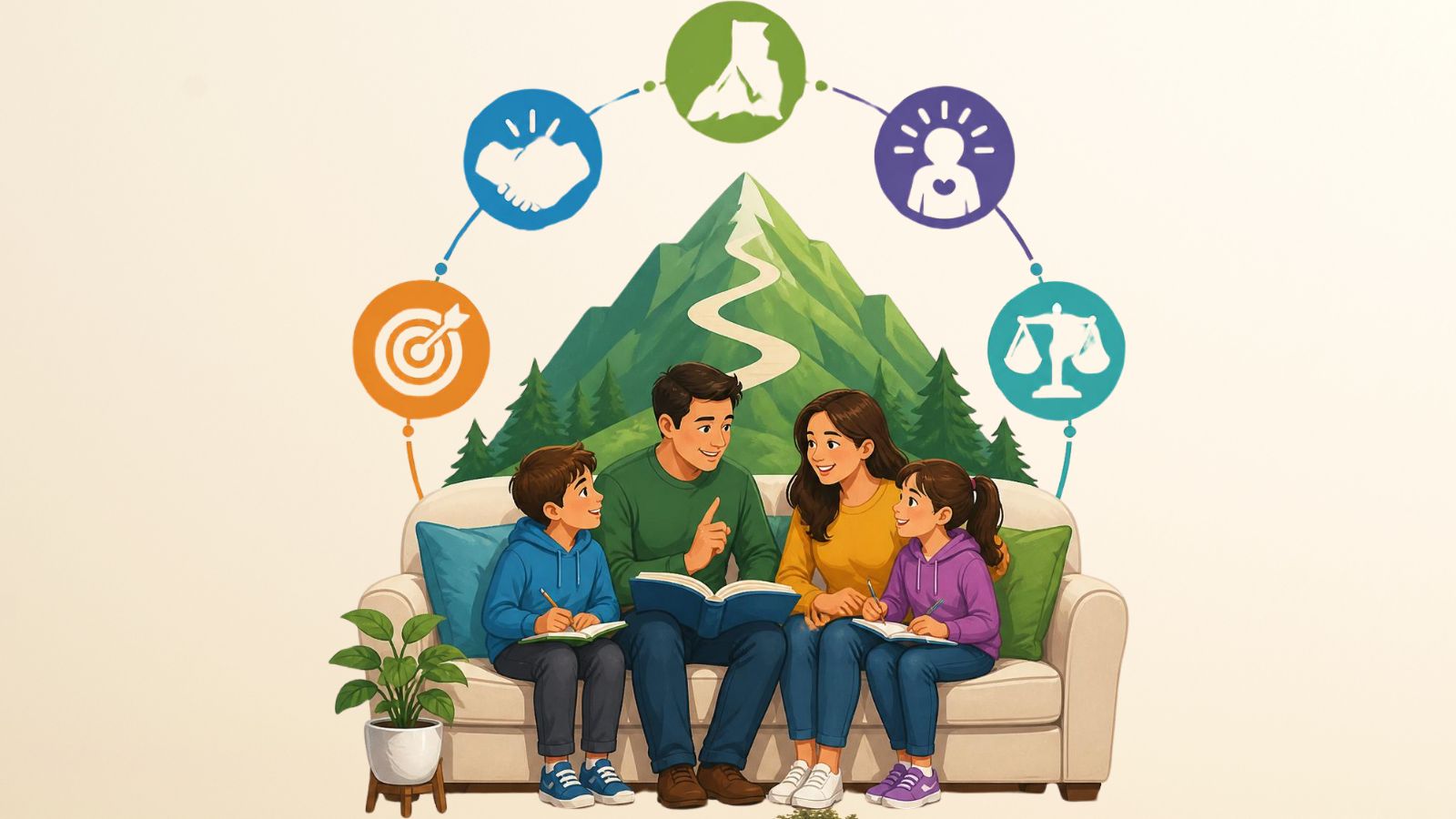
At Pine Mountain Middle School, every student is on a climb. Our five core values, called CLIMB, are the gear that keeps them moving: Commitment, Leadership, Integrity, Mindfulness, and Balance. Students learn these values in class and practice them every day. But the most important base camp your child has is home.
Why These Skills Matter for Life
The mountains never stop coming. They just change shape. Today it is a hard test or a fight with a friend. Later it will be a tough college class, a demanding job, monthly bills, a relationship that needs work, or a family of their own.
As adults, we all have clear-sky days and stormy ones. No one outgrows the weather. What we can grow is the strength to keep climbing anyway. That is why we teach CLIMB. These are not just school rules. They are the life skills that help adults finish a degree, keep a job, and care for the people they love.
Here are simple ways to bring each value home.
Commitment: Stay the Course
Commitment means sticking with something, even when it gets hard. Adults use it to finish a tough semester or show up ready for work on days they would rather not.
Try this: Check the backpack together the night before. Set one goal for the quarter, and praise effort, not just results.
Ask: "What did you want to give up on this week? What helped you keep going?"
Leadership: Guide the Crew
Leadership means being a good example and helping others move forward. It is about service, not being in charge. Adults lead when they train a coworker, coach a team, or step up for their family.
Try this: Give your child a real job at home, like planning a meal or helping a younger sibling. When something goes wrong, show them how to own your part without blaming others.
Ask: "Can someone be a leader without being in charge?"
Integrity: Do What's Right
Integrity means doing the right thing, even when no one is watching. Adults build careers and relationships on it, from admitting a mistake at work to keeping a promise to a friend.
Try this: When your child admits a mistake, thank them for being honest before you deal with the problem. Practice what they could say if a friend asks to copy their homework.
Ask: "Why is doing the right thing sometimes hard?"
Mindfulness: Know Your Impact
Mindfulness means thinking about how your words and actions affect others. It helps us respond instead of react. Every adult has wanted to send an angry email or snap at someone after a long day. Mindfulness is the pause that stops us.
Try this: When your child is upset, coach them to stop and take a breath before speaking. Do the same yourself. Set screen-free times, like meals or car rides.
Ask: "When did you need to think before you reacted today?"
Balance: Stay in Control
Balance means managing your time and responsibilities so you don't get overwhelmed. Adults juggle work, bills, chores, and family. The ones who avoid burnout learned to set priorities, rest, and ask for help.
Try this: Make homework come before games or screens. Keep a regular bedtime, and charge phones outside the bedroom.
Ask: "What is taking up too much of your time right now?"
Check the Forecast
At school, we describe feelings as weather. Blue is fog (tired or sad). Green is clear skies (calm and ready). Yellow is shifting winds (anxious or frustrated). Red is a storm (angry or overwhelmed).
Ask your child, "What's your forecast today?" Then share yours. When kids hear adults name their feelings and handle them well, they learn this is a skill for life.
Together, We Climb Higher
You don't need to work on all five values at once. Pick one a week and point it out when you see your child living it.
Someday our kids will face mountains we can't see yet. We can't climb them for our kids, but together we can make sure they have the right gear. Thank you for CLIMBing with us.