


A message from Dr. David Nelson, Principal, Pine Mountain Middle School
Ever wonder why your middle schooler seems cranky for no clear reason? Ever wonder why they forget the thing you just told them five minutes ago? Ever notice that you have more energy than your child does — even though you're the one who's been up since 5 AM? If any of that sounds familiar, sleep is often the answer.
What I've Seen Firsthand
In my experience working with kids, I've seen a lot of things interfere with a student's success at school. Out of all of them, the most common issue — and the one parents can resolve the fastest — is removing devices from a child's possession at night.
I've seen this pattern play out again and again: a student who looks tired and unfocused during the day, whose grades or mood have quietly slipped, while at home everything seems normal. A set bedtime, lights out, a "goodnight." What parents often don't realize is what's happening in that room afterward — kids using their devices well past when their families believe they've fallen asleep. Not because they're trying to deceive anyone, but because a phone in a dark, quiet room is genuinely hard to put down, for a child or an adult.
Why Sleep Matters More Than It Seems
Middle schoolers need 9 to 12 hours of sleep a night, according to pediatric sleep guidelines. Most are getting nowhere close to that. And the single biggest reason isn't homework or activities. It's the phone, tablet, or laptop still in the room at 11 PM.
Sleep isn't just rest. It's when a middle schooler's brain consolidates what they learned that day, regulates mood, and recovers physically from a growth spurt that's asking a lot of their body. That crankiness, that forgetfulness, that flatness where your child used to have energy — those aren't personality changes. They're often just a tired brain and body doing the best they can.
A student who's chronically short on sleep isn't just tired — they're more irritable, less able to focus, slower to recall what they studied, and more prone to getting sick. None of that shows up as "my child didn't sleep enough" on a report card, but it shows up everywhere else, especially at home.
Devices in the Bedroom Are the Biggest Disruptor
It's not just the temptation to scroll. The light from a screen delays the body's natural release of melatonin, the hormone that signals it's time to sleep — so even a "quick check" before bed can push back when a student actually falls asleep. And a phone within reach means notifications, texts, and the pull to check "just one more thing" don't stop when the lights go off.
A Question Worth Asking Yourself
Think about this: most adults have a hard time unplugging from their own devices when they lie down. And when a phone doubles as an alarm clock, an e-reader, and a dozen other conveniences, it's genuinely difficult not to pick it up once you're in bed.
If putting the phone away at night is difficult for an adult — someone with a fully developed brain and years of practice managing impulses — why would we hand a device to a child who is still developing that same self-control, send them into their room alone with it, and expect a different outcome than we experience ourselves?
That's not a knock on kids. It's just realistic. We're asking them to do something many of us struggle with every single night.
A Simple, High-Impact Change: Remove the Device From the Bedroom
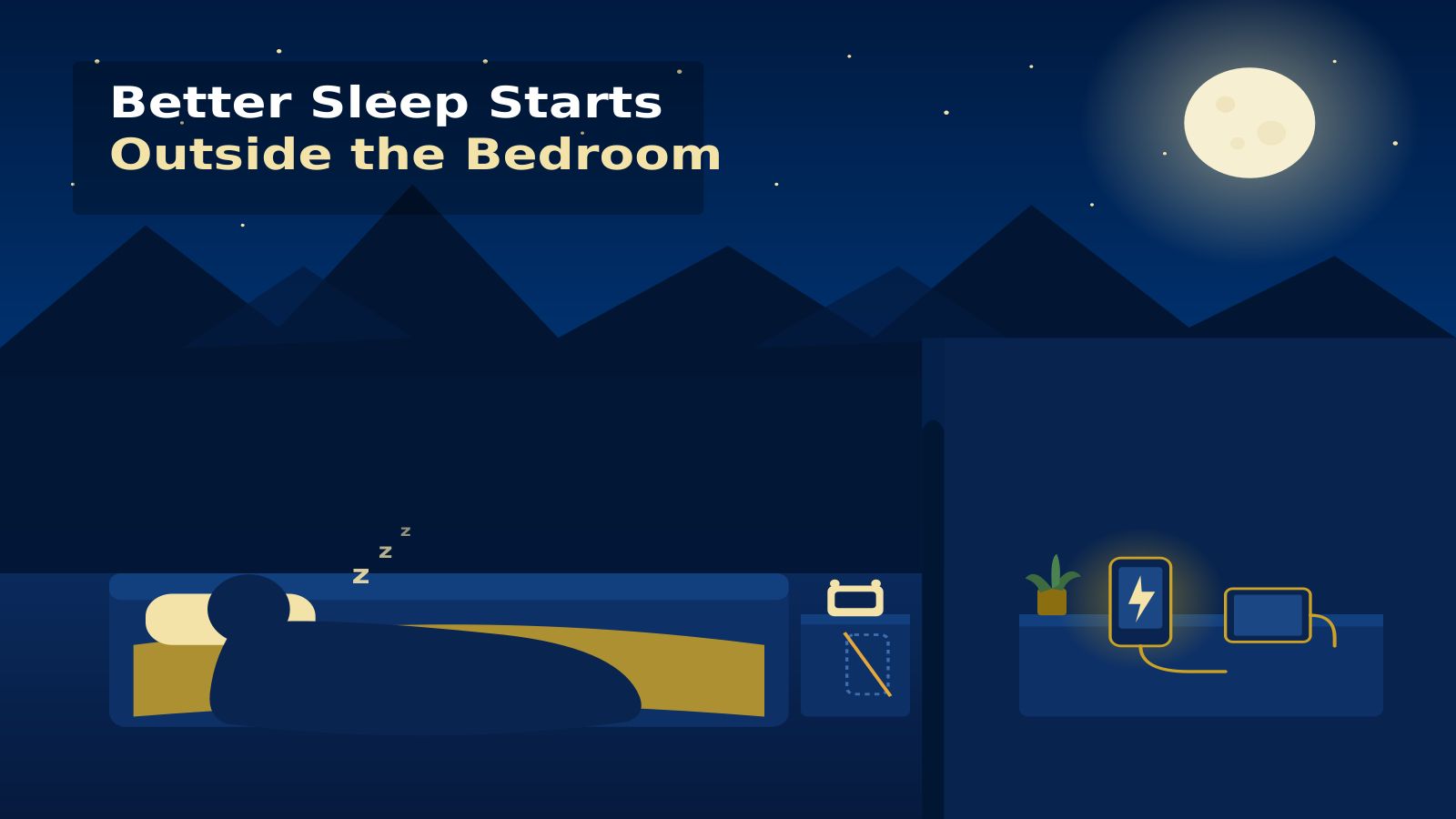
Not just on silent. Not just face-down. Out of the room entirely, ideally charging somewhere else in the house overnight. This one change consistently makes the biggest difference for families who try it. A few ways to make it stick:
- Set up a charging station in the kitchen or a common area — devices charge there overnight, every night, no exceptions.
- Set a consistent "devices off" time that's the same every night, not just school nights.
- Expect some pushback at first. It gets easier fast, usually within a week or two.
This Is a Habit Worth Building Now
Like the other skills we've talked about this year, healthy sleep habits are something students carry with them long after middle school. The adult who protects their sleep, who doesn't let a phone run their nights, is better at their job, better in their relationships, and generally healthier — and that pattern starts with habits built now.
A consistent bedtime and a device-free room are two of the simplest, highest-leverage things a family can do for a student's health, mood, and performance in school.
Have questions about screen time, sleep, or other habits that affect learning? Reach out to your student's counselor or the front office — we're glad to help.